
What to look for to reduce wait times, automate routine tasks, and protect patient data.
Running patient access, IT, or contact center operations means navigating competing pressures all day. Patients want shorter wait times, real-time answers, and a consistent experience across every channel—phone, SMS, chat, and mobile apps. At the same time, clinicians and staff must juggle multiple systems and manual steps, resulting in handoffs that slow response times and increase the risk of errors. This leaves IT teams responsible for securing and governing patient data across an expanding set of disconnected tools, adding yet another layer of complexity.
Healthcare call center software is designed to close these gaps without compromising Health Insurance Portability and Accountability Act (HIPAA) compliance. By unifying fragmented communications on a voice-first platform, it supports the complete patient engagement journey, from inbound inquiries and appointment scheduling to outreach, follow-up, and ongoing support. Through smarter routing and automation, it can help you reduce hold times, improve patient satisfaction, and make your entire operation more efficient.
Key takeaways
- Healthcare call center software brings all patient conversations into one easy-to-manage platform
- Smart routing and AI automation reduce pressure off staff while cutting patient wait times
- Native security and HIPAA compliance help keep patient data safe
- EHR and CRM integrations give staff the context to solve issues on the first call
- Unified phone and contact center systems remove tech silos and lower overall costs
What is healthcare call center software and why does it matter now?
Healthcare call center software is a specialized category of contact center software designed specifically for the unique needs of healthcare organizations. Rather than merely managing patient interactions across voice and digital channels, it’s engineered to maintain strict HIPAA compliance and data protection. But what sets it apart from general call center solutions isn’t a single feature—it’s the combination of omnichannel coverage, clinical workflows, and rigorous security standards.
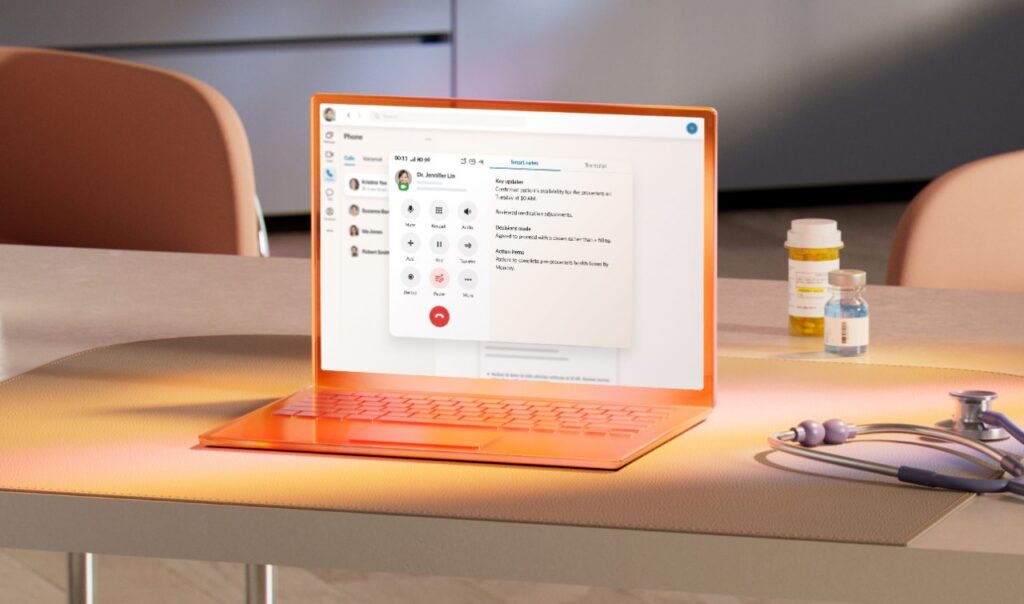
The focus on clinical workflows is essential because healthcare contact centers must handle both high-stakes conversations and high volumes. This includes everything from appointment scheduling and medication questions to billing calls, referrals, and post-visit follow-up. Because these interactions often involve sensitive scenarios where empathy is as important as efficiency, “good enough” routing or basic interactive voice response (IVR) systems don’t cut it.
The urgency to modernize is driven by:
- Internal workforce shortages: Analysis from the Health Resources and Services Administration projects ongoing shortages in key clinical roles. These shortages can hit patient access teams hard, as they have to manage higher call volumes while healthcare providers stretch their capacity.
- Rising patient expectations: Patient needs increasingly involve convenience and speed—fewer handoffs, clearer answers, and more self-service control for routine tasks like rescheduling. When those options are missing, hold times climb and patient satisfaction drops.
Healthcare call center software provides a scalable platform that protects patient data, integrates with your existing systems, and supports workflows that reflect how care happens.
Key features of leading healthcare call center software solutions
If you’re evaluating platforms, consider whether they can support your operating model with measurable outcomes: lower wait times, fewer missed appointments, better first-call resolution, and tighter data security.
The strongest healthcare call center software solutions tend to share three core characteristics:
- Voice-first architecture that prioritizes high-stakes inbound calls for more complex patient inquiries
- True omnichannel coverage that ensures context follows patients across voice, SMS, chat, and video
- Unified workflows that drive efficiency by streamlining operations instead of adding technical complexity
RingCentral’s approach is built around this convergence. By bringing unified communications and contact center capabilities together, it helps reduce tool sprawl while improving both patient experience and operational control.
Advanced patient communication tools: Voice, SMS, chat, and video
Healthcare doesn’t happen on a single channel. A patient might call to schedule, respond by SMS to confirm, use chat for a quick question, and join a video visit for follow-up. If those channels live in different systems, you lose context, repeat work, and increase risk.
Modern healthcare call center software supports omnichannel communication while maintaining conversation history. This typically includes:
- Voice: Reliable inbound call handling with smart call routing, call recording, and quality metrics
- SMS: Automated reminders, outreach, and notifications that keep patients informed and reduce no-shows
- Chat and chatbots: Fast self-service for high-frequency FAQs
- Video: High-quality video for scenarios where visual context or face-to-face interaction is essential for trust and patient care
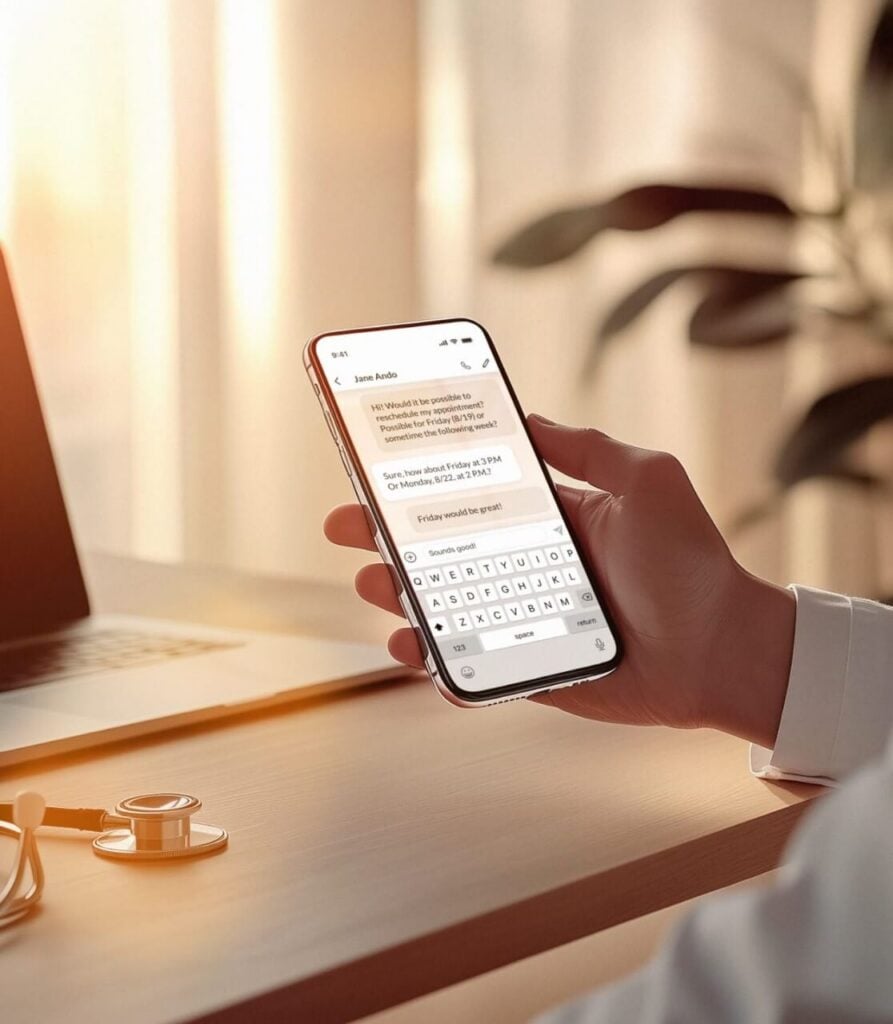
If video is part of your patient engagement model, consider how potential video solutions fit into your broader communications stack, including accessibility, workflows, and ease of use across devices. RingCentral is built to meet clinical and patient-facing requirements, ensuring your team stays connected without added technical friction.
HIPAA compliance and data security
HIPAA compliance is a platform requirement. Healthcare call center software must help you protect patient information across every channel and role, including nonclinical staff who interact with patient data every day.
At a minimum, you should expect:
- Native encryption and access controls that map directly to your organization structure
- Audit trails for accountability and operational governance
- Data retention controls that align with both regulatory requirements and your internal policies
- Secure content handling for call recording, AI transcriptions, and messaging
- Administrative controls that help you reduce risk as your organization grows
A good stress test for any platform is to ask: Does this make it easier to do the right thing by default? If agents have to use workarounds to stay productive, the system will eventually create risk. RingCentral is built to make the most efficient way for your staff to work the most secure, ensuring security is baked into every interaction.
AI-powered automation and intelligent call routing
In the healthcare industry, “AI-powered” doesn’t mean replacing people. The goal is to remove manual hurdles from routine tasks so your team can focus on the patient interactions that require judgment, empathy, and a human touch.
Strong AI-driven capabilities usually show up in three places:
- Automation for routine tasks: Chatbots and AI agents can handle appointment management, status updates, and FAQs. This takes the pressure off inbound queues without making the patient experience feel cold.
- Smart routing that reduces transfers: Intelligent routing uses real-time context—like intent, language, and urgency—to get patients to the right person the first time. This cuts down on repeat calls and frustrating handoffs.
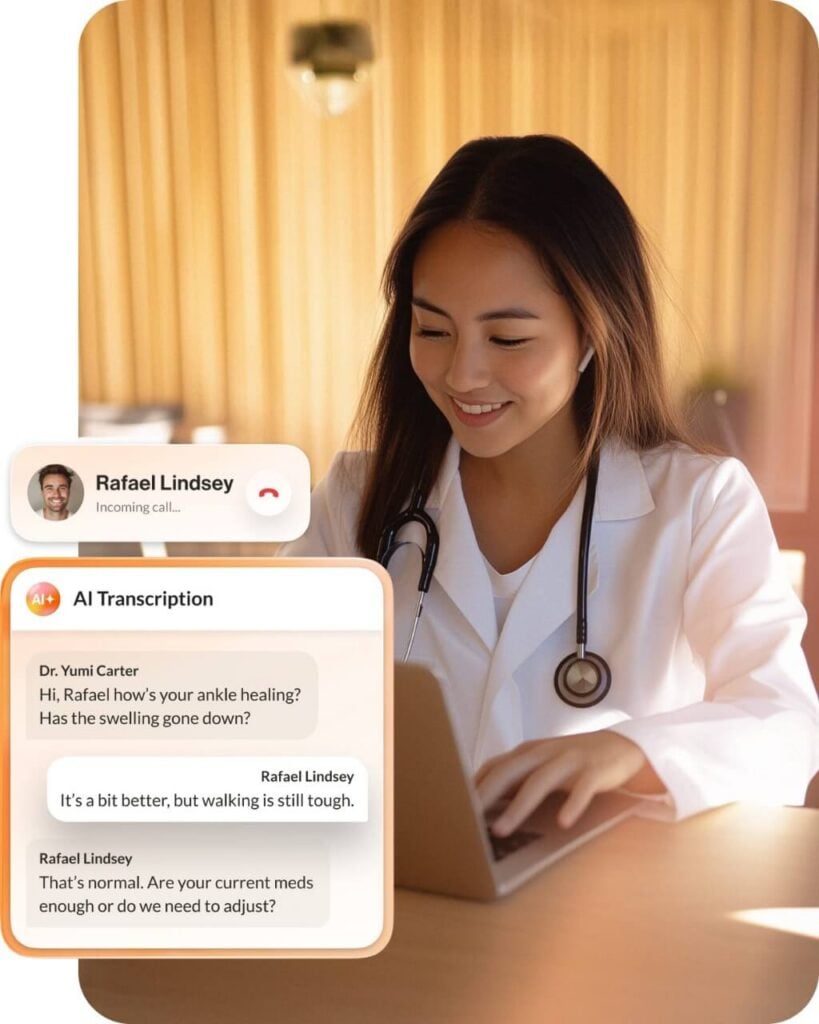
- Agent assistance for improved consistency: AI Assist–style capabilities can surface context during patient calls, help agents stay on script for compliance-sensitive topics, and create actionable insights from patterns in patient interactions.
If you’re modernizing your infrastructure, it’s useful to align your contact center roadmap with your broader telephony updates, especially as legacy lines become harder to maintain.
How healthcare call center software improves patient experience and operational efficiency
When it comes to healthcare solutions, you’re not just buying software—you’re buying outcomes. In a healthcare contact center, those outcomes usually center on access, consistency, and capacity.
Reduces wait times and streamlines patient access
Reducing wait times isn’t just about speed. It’s also a critical factor in patient access, staff workload, and the revenue impact of missed visits. Since healthcare call volumes frequently surge due to seasonal illnesses, policy shifts, or local events, implementing better routing and self-service tools is essential to prevent hold times from spiraling and abandonment rates from rising.
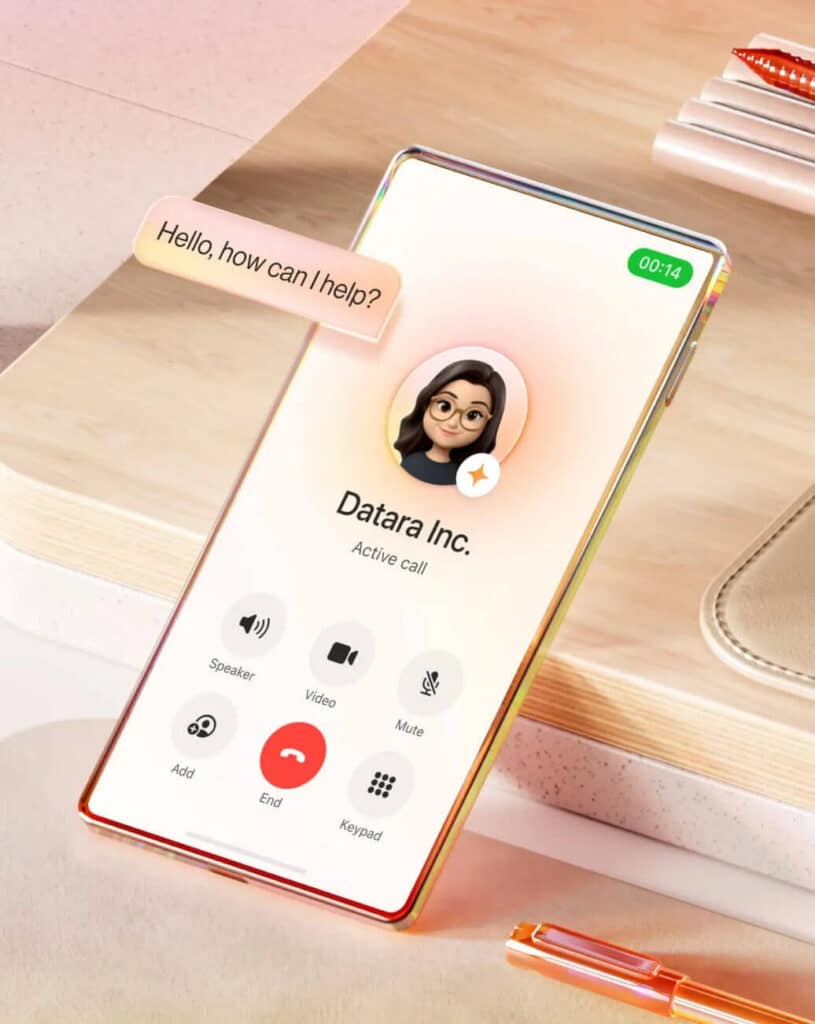
Industry reporting shows that healthcare call centers often run far above benchmark hold-time targets, which creates an experience gap that patients feel immediately.
Modern healthcare call center software addresses this by combining:
- IVR that routes callers quickly to reduce misdirected calls
- Self-service for simple requests so your live queue is reserved for complex needs
- Intelligent call routing that gets the caller to the right agent faster
- Workflow automation that reduces after-call work and repeat calls
The best systems don’t just report a metric—they help you pinpoint exactly what’s driving wait times. By providing actionable insights, these tools allow you to identify call trends, spot routing bottlenecks, and determine where automation can remove friction without compromising the patient experience.
Enhances care coordination and follow-up
Patient care is rarely a straight line. People move between departments, providers, labs, and billing throughout their treatment. If your contact center can’t coordinate across those touchpoints, your staff ends up doing manual work to stitch the journey together.
Integrating your EHR and CRM systems helps turn this fragmented data into an operational asset. When agents have a clear view of patient history and prior interactions, they can resolve inquiries faster and provide more consistent instructions.
Proactive follow-up also reduces no-shows and strengthens patient engagement. While reminder programs aren’t a heavy lift, they do require reliable workflows and channel flexibility.
Patient expectations around this kind of convenience aren’t going away. RingCentral’s perspective on what consumers want from digital healthcare experiences reinforces the shift toward responsiveness, flexible channels, and smoother coordination across touchpoints.
How to choose the best healthcare call center software
At this stage, you are likely comparing a short list of finalists. The fastest way to choose among these platforms is to evaluate them against your enterprise requirements and operational realities.
Here’s a decision framework to pressure-test your options.
1. Start with compliance and data protection, then validate operational fit
Ask how the system enforces HIPAA-compliant handling of patient data across voice, SMS, and digital channels. Then ask what the platform does to make compliance easier for agents inside day-to-day workflows.
What you want to hear isn’t just “we support HIPAA compliance.” You want to hear how the system enforces policy through permissions, logging, retention controls, and secure integration patterns.
2. Confirm that omnichannel really means unified
Many vendors claim omnichannel but still split channels behind the scenes, leading to duplicated work and lost context.
Validate whether agents can manage voice, SMS, and chat in a single interface with a unified patient history. This isn’t just a convenience—it’s how you prevent medical errors and patient frustration.
3. Make EHR and CRM integrations nonnegotiable
Your contact center must function as the hub for your existing technology. Look for deep, out-of-the-box integrations with:
- EHR systems: For patient context, scheduling signals, and follow-up workflows
- CRMs: For tracking patient interactions and outreach
- Operational workflows: For notifications, escalations, and documentation
4. Demand mission-critical reliability and scale
Healthcare never shuts down, which makes reliability a patient-safety priority. Focus on:
- Scalability that maintains performance during sudden volume spikes
- Reliability backed by stringent service level commitments
- Support models that extend far beyond initial onboarding
To further reduce complexity, consider a “single-vendor” strategy. RingCentral’s RingCX contact center platform is built for organizations that want a contact center solution that supports routing, automation, analytics, and omnichannel communication under one roof.
5. Look at total cost of ownership (TCO), not just seat pricing
The sticker price is part of the conversation, but TCO is where the decision gets real. Factor in:
- Efficiency gains from automation and streamlined workflows that reduce manual labor
- Better clinical outcomes driven by automated reminders that lower no-show rates
- Operational consolidation that removes the drag of managing multiple disconnected tools
If your team is also modernizing broader healthcare communications, RingCentral’s breakdown of cloud communications use cases in healthcare can help you map your technology choices to wider operational goals.
Upgrade your patient experiences with unified communication
Healthcare call center software is now part of the core patient experience stack. When you standardize on a unified, voice-first platform, you give patients faster access, agents better context, and IT a cleaner, more secure way to manage the entire ecosystem.
The payoff for this transition is clear: reduced wait times, fewer hold-time spikes, and a measurable drop in missed appointments. These improvements create patient interactions that feel consistent across channels while making internal workflows easier to run, scale, and govern.
If your goal is a more operational, outcome-driven approach to patient access, the next step is to validate platform fit against your call volumes, routing needs, and integration requirements.
Discover how RingCentral’s call center software can improve the patient experience and streamline your workflows. Schedule a conversation today.
The post Healthcare call center software for faster patient access in 2026 appeared first on RingCentral Blog.